



How to Get a Rare Vintage Guitar Appraisal

Last Updated: November 12, 2026
Quick Summary
A vintage guitar appraisal is a written, dated opinion of an instrument's fair market value prepared by someone who can authenticate it, covering identification, condition, originality, and value. Standard written reports run $150 to $350, with True Vintage Guitar at $300 and Rivington Guitars at $99. Prepare serial number photos, repair close-ups, and provenance notes before contacting an appraiser.
- A free estimate is verbal, while a written appraisal is a signed document you can hand to an insurer or court.
- Photograph the serial number straight-on in daylight with a second photo including a ruler or coin for scale.
- Online appraisal works for common models, but put anything worth more than a used car in front of a person.
- Tell the appraiser whether you need insurance replacement, fair market, estate, or donation value before work begins.
- Avoid appraisers who charge a percentage of appraised value or offer to buy the guitar themselves.
Table of Contents
- What a Rare Vintage Guitar Appraisal Actually Delivers
- How to Get a Guitar Appraised: A Step-by-Step Process
- Online Appraisal vs. In-Person Appraisal
- Vintage Guitar Appraisal Cost and Turnaround
- What Condition, Originality, and Provenance Do to Value
- Guitar Appraisal by Serial Number: What It Can and Cannot Tell You
- Guitar Appraisal for Insurance: Getting the Report Right
- How to Verify an Appraiser and Avoid Scams
- Frequently Asked Questions
What a Rare Vintage Guitar Appraisal Actually Delivers
A rare vintage guitar appraisal is a written, dated opinion of an instrument's fair market value, prepared by someone who can authenticate it. The document matters as much as the number. A solid appraisal identifies the instrument, states its condition and originality, and gives you a value you can defend to a buyer, an insurer, or an estate.
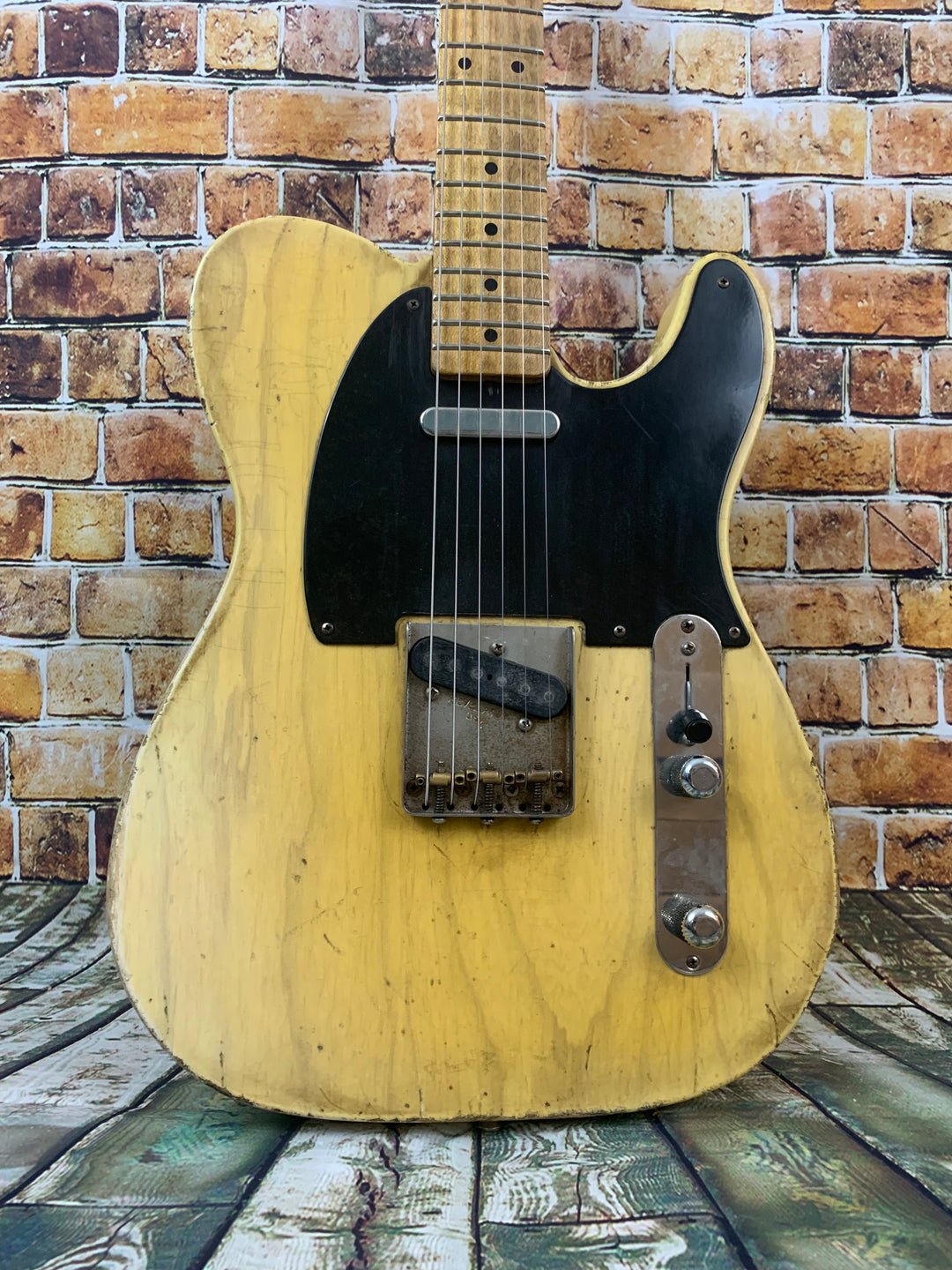
A real appraisal covers four things:
- Identification: make, model, year, and serial number confirmed against factory records
- Condition: a graded assessment of wear, cracks, finish, and structural integrity
- Originality: which parts are factory-original and which were swapped
- Value: a dollar figure tied to a stated purpose, with comparables cited
Skip any of those and you have a guess with a letterhead.
Free Estimate vs. Written Appraisal
A free estimate is a verbal ballpark. A written appraisal is a signed document you can hand to an insurer or a court.
That gap matters more than most sellers realize. A 2026 collector's guide puts a standard written report on a single instrument in the $150 to $350 range, according to Acoustic Vibes Music's appraisal cost guide. Free offers often stop at an initial look.
A price guide is a reference, not an appraisal.
How to Get a Guitar Appraised: A Step-by-Step Process
Getting a guitar appraised takes five steps, and most of the work happens before you contact anyone. Prepared owners get faster, cheaper, and more accurate results.
- Document the instrument yourself. Photograph every angle, then write down the serial number, model, and any known history.
- Decide the purpose. Insurance, sale, estate, or donation each calls for a different report.
- Choose the format. Online appraisal for a rough read, in-person for anything rare or high-value.
- Request the appraisal in writing. State the purpose and ask what the report will include.
- Review the report and act on it. Confirm the value, the date, and the appraiser's signature.
The Preparation Checklist Before You Contact Anyone
Use this list before you call or email an appraiser.
- Full serial number, photographed clearly. Shoot it straight-on in daylight, with a second photo including a ruler or coin for scale. A blurry or partial number forces the appraiser to hedge the date.
- Front, back, headstock, and heel photos in daylight. Avoid flash, which flattens finish checking and hides touch-ups. The heel and headstock are where the two most value-relevant structural issues live: headstock breaks and heel cracks.
- Close-ups of any cracks, dings, or repairs. Photograph the repair itself, not just the surrounding area. A well-executed cleat or headstock repair is a value factor the appraiser needs to see.
- Photos of the control cavity and pickup routes. These show whether electronics and routing are factory-original. Swapped pickups and enlarged routs are common value deductions, invisible from the outside.
- Original case, tags, and paperwork photographed. The case, hang tags, and case candy are provenance, supporting originality claims that photos of the guitar alone cannot.
- Any receipts, prior appraisals, or service records. Prior appraisals establish a value history; service records document repairs. Both separate documented history from hearsay.
- Purchase history and provenance notes. Write down where and when you acquired the instrument, from whom, and any stories attached. Provenance is the hardest factor to reconstruct later.
- A written statement of why you need the appraisal. One sentence is enough: insurance scheduling, an estate, a pending sale, or a donation. The purpose determines which valuation standard applies.
A common pattern is owners sending twenty photos of the front and none of the back of the headstock.
Watch out: if an appraiser quotes a firm price and turnaround before seeing any materials, ask what happens if the instrument turns out to be modified or repaired.
If you want a deeper method for checking condition yourself first, our guide on how to verify vintage guitar condition before you buy walks through the same inspection steps we use.
Online Appraisal vs. In-Person Appraisal
Online appraisal wins on speed and cost. In-person appraisal wins on accuracy for anything rare, modified, or structurally questionable.
An online appraisal relies on photographs and your description. It works well for common models where the market is well documented.
Our rule of thumb: if the instrument is worth more than a used car, put it in front of a person.
Vintage Guitar Appraisal Cost and Turnaround
Turnaround varies with the depth of research a report requires, so ask any appraiser for their timeline before committing.
Published fees give you a useful anchor:
| Appraiser | Service | Published Fee |
|---|---|---|
| True Vintage Guitar | Fully researched appraisal | $300 per instrument |
| Rivington Guitars | Written appraisal | $99 |
| Industry range | Standard written report | $150 to $350 |
True Vintage Guitar lists a fully researched appraisal at $300 per instrument, per True Vintage Guitar's appraisal page.
Turnaround is rarely published, so ask directly. A simple identification report can be done in a day.
Watch out: a suspiciously cheap "appraisal" that arrives in an hour with no photos requested may not be a real evaluation.
What Condition, Originality, and Provenance Do to Value
Condition, originality, and provenance move a vintage guitar's value more than the model name does.
Condition covers structural health and cosmetic wear.
Originality is where money hides. Original pickups, tuners, bridge, and finish add value; replacement parts subtract it, even good ones.
Provenance is the paper trail: original owner, receipts, factory records, prior appraisals.
A refret can affect value differently depending on the instrument and its context.
If you're weighing condition against long-term value, our guide on buying vintage guitars for investment goes deeper. If an instrument needs structural work before appraisal, our professional guitar repairs appointment with an experienced luthier is the place to start.

Guitar Appraisal by Serial Number: What It Can and Cannot Tell You
A serial number can confirm a year and a production batch. It cannot confirm that the guitar in front of you is original, unmodified, or worth what the seller claims.
Serial number lookup is a starting point, not an appraisal:
What it can tell you:
- Approximate year of manufacture
- Factory batch or production run
- Model family, in many cases
- Whether the number matches known records
What it cannot tell you:
- Whether the neck, body, and electronics left the factory together
- Whether the finish is original
- Whether repairs were done
- Current market value
A 1927 Gibson TB-3 Mastertone is a good example. Matching rim and resonator markings confirm the batch. They don't confirm the tone ring is untouched, which is why a physical inspection still matters.
Treat serial lookup as verification of identity, not verification of value.
Guitar Appraisal for Insurance: Getting the Report Right
An insurance appraisal needs a replacement value, a detailed description, and a date. A market value appraisal for a sale won't satisfy your insurer. "Appraisal" is a family of documents, and the purpose you state determines which one you get.
These are different documents with different jobs:
- Insurance replacement value: what it would cost to replace the instrument today with a comparable example in similar condition. Insurers use this to set coverage limits and premiums; it is typically the highest standard because it assumes you must buy a replacement on the open market.
- Fair market value: what the instrument would sell for between a willing buyer and a willing seller, neither under pressure, both reasonably informed. This is the standard for most sales and many tax purposes.
- Estate value: a defensible figure for probate and estate tax, often following a specific valuation date and requiring more detailed methodology than a sale appraisal.
- Donation value: a documented figure for a charitable contribution. If you plan to claim a deduction, confirm with your tax advisor what substantiation the report needs before you commission it.
Tell the appraiser which one you need before work begins. Ask for photos to be attached to the report, and confirm it includes the appraiser's credentials and signature.
What to Do After You Receive the Appraisal
The report is not the end of the process. How you use it depends on why you ordered it:
- For insurance: send the report to your insurer and ask them to schedule the instrument as a listed item rather than leaving it under a general contents limit. Confirm the scheduled value matches the report and ask whether the policy pays replacement cost or actual cash value.
- For a sale: use the fair market value as your negotiating anchor, but treat it as a range. Ask whether the figure assumes a private sale or a dealer sale, since dealer offers typically come in below retail.
- For an estate or legal matter: keep the original signed report and all supporting photos together. Executors and attorneys often need the full file, not just the summary page.
- For a second opinion: commission a second appraisal and compare the comparables each appraiser cited. A large gap usually traces to different assumptions about condition or originality, not to one appraiser being wrong.
Update the appraisal every few years. Vintage prices move, and a stale report can leave you underinsured. Revisit the valuation whenever you add a significant instrument or the market for your model has visibly shifted.
Watch out: an insurer may accept a self-reported value at policy inception and then challenge it at claim time. A dated, signed appraisal with photos closes that gap, so keep the report current.
How to Verify an Appraiser and Avoid Scams
Verify an appraiser by checking their specialty, their documentation standards, and whether they'll put their opinion in writing with their name on it.
Run this check before you pay anyone:
- Specialty: do they handle your instrument type, or everything from violins to banjos?
- Written report: will they provide a signed, dated document with photos?
- Fee structure: flat fee, or a percentage of appraised value? Percentage-based fees create an incentive to inflate.
- References: can they name prior work in your instrument category?
- No pressure to sell: an appraiser who offers to buy the guitar at the appraised number is not neutral.
Watch out: an appraiser who immediately offers to consign the instrument may have a conflict of interest, so consider a second opinion.
The hardest part of a rare vintage guitar appraisal isn't finding someone to name a price. It's finding someone who will document the instrument properly and stand behind the number.
Frequently Asked Questions
How much does a vintage guitar appraisal cost?
Free offers usually cover only an initial assessment, so ask what the report includes and whether it is written before you commit.
Can you determine a guitar's value by its serial number alone?
No. A serial number confirms the model and production year, which is why a guitar appraisal by serial number is a useful first step, but it says nothing about condition, originality, or repairs. Two instruments from the same batch can differ by thousands of dollars because one has a headstock repair or swapped pickups. The serial number narrows the field; the physical inspection sets the market value.
Do I need a guitar appraisal for insurance?
Ask your insurer what documentation it requires. A report that lists the serial number, model, year, condition, and any modifications, with photographs on file, is generally useful. Vintage prices move, so revisit the valuation periodically.
What should I bring to a vintage guitar appraisal?
Bring the instrument in its case, plus any paperwork that supports provenance: the original sales receipt, certificates of authenticity, repair records, and photos of the guitar before any restoration. Note the serial number, model, and year in advance. If you are shipping or dropping off, tell the appraiser about known repairs or refinishing up front, since undisclosed work found during inspection slows the process and can change the valuation.

Leave a comment